You start the car, back out of the driveway, tap the brake pedal, and suddenly hear a sharp squeak from the wheels. A few stops later, the noise disappears and the brakes seem completely normal again.
At our shop, we hear this complaint often, especially during cool, damp, or rainy weather. Morning brake squeaks can be completely harmless in some situations, but they can also be an early sign of worn brake pads, rust buildup, contamination, or another issue that deserves a closer look.
The key is paying attention to when the noise happens, how long it lasts, and whether anything else about the braking system feels different.
Overnight Moisture Is One Of The Most Common Causes
Brake rotors are made from metal, and they are exposed to the air whenever your vehicle is parked. Overnight moisture from humidity, dew, rain, or condensation can settle on the rotor surface and create a very thin layer of rust.
When you first drive in the morning, the brake pads scrape across that surface rust. The contact can produce a squeak, squeal, or light grinding sound during the first few stops.
Once the pads clean the rotor surface, the noise often fades away completely. If your brakes only make noise for a short time in the morning and then remain quiet for the rest of the day, light surface rust may be the explanation.
We usually become more concerned when the noise continues after several stops, grows louder, or starts happening throughout the day.
Humid Weather Can Make Morning Squeaks More Noticeable
You may notice the problem more often during certain seasons. Fall mornings, rainy stretches, coastal weather, and humid summer nights can all make moisture buildup more likely.
Even a vehicle parked inside a garage can develop some surface rust if the air is damp enough. Parking outdoors usually makes the effect more noticeable because the rotors are exposed directly to dew and changing temperatures.
The amount of noise can vary from one vehicle to another. Some brake pad materials are naturally quieter than others, while certain performance or metallic compounds may make light surface rust more noticeable. If the sound disappears quickly and braking performance remains normal, weather-related squeaking is often more annoying than dangerous.
Your Brake Pads May Be Wearing Thin
Morning moisture is not the only possible explanation. A squeak that begins when the brakes are cold and gradually becomes more frequent may indicate worn brake pads.
Many brake pads include a small metal wear indicator. As the friction material becomes thinner, the indicator moves closer to the rotor and eventually begins making contact. The resulting high-pitched squeal is designed to warn you that brake service may be approaching.
At first, you may hear the sound only occasionally. Over time, it can become more consistent and show up during normal daytime driving too. If the squeak has recently become louder, lasts longer every morning, or is now happening throughout your commute, we recommend having the brake pads measured instead of assuming moisture is still responsible.
Glazed Brake Pads Can Squeak More When Cold
Brake pads and rotors can develop glazed surfaces after repeated exposure to excessive heat. Glazing happens when the friction material becomes unusually smooth and hardened.
This may occur after heavy braking, mountain driving, towing, repeated stop and go traffic, or riding the brake pedal. Once the surface changes, the pads may vibrate differently against the rotors and create squeaking or squealing.
Cold brakes can sometimes make glazing-related noise more obvious during the first few stops. You may also notice that the brakes feel slightly less responsive or require more pedal pressure than they once did. An inspection can determine whether the pads and rotors are simply noisy or whether the friction surfaces have been damaged enough to affect braking performance.
Dirt And Brake Dust Can Collect Overnight
Brake systems naturally create dust as the pads and rotors wear. Road grime, sand, pollen, and other debris can also collect around the braking components.
When the vehicle sits overnight, moisture may mix with that buildup and create a thin layer of contamination on the rotor surface. The first few brake applications can produce squeaking as the pads clear the material away.
This problem may be more noticeable if you drive on dusty roads, park beneath trees, or recently drove through construction areas.
Regular brake inspections can help catch excessive dust buildup, damaged hardware, and sticking components before they create more persistent noise.
Cold Temperatures Can Change Brake Noise
Brakes can sound different when the components are cold. Brake pads, rotors, lubricants, and hardware all react to temperature changes.
Some pad materials become slightly harder in low temperatures and may produce more noise until they warm up. The sound often fades as normal braking generates heat.
Cold-weather squeaking by itself does not automatically mean something is wrong, but the brakes should still feel smooth and consistent. If the vehicle also pulls, vibrates, or requires more stopping distance, the noise should not be dismissed as a temperature issue.
A Sticking Caliper Can Create Persistent Morning Noise
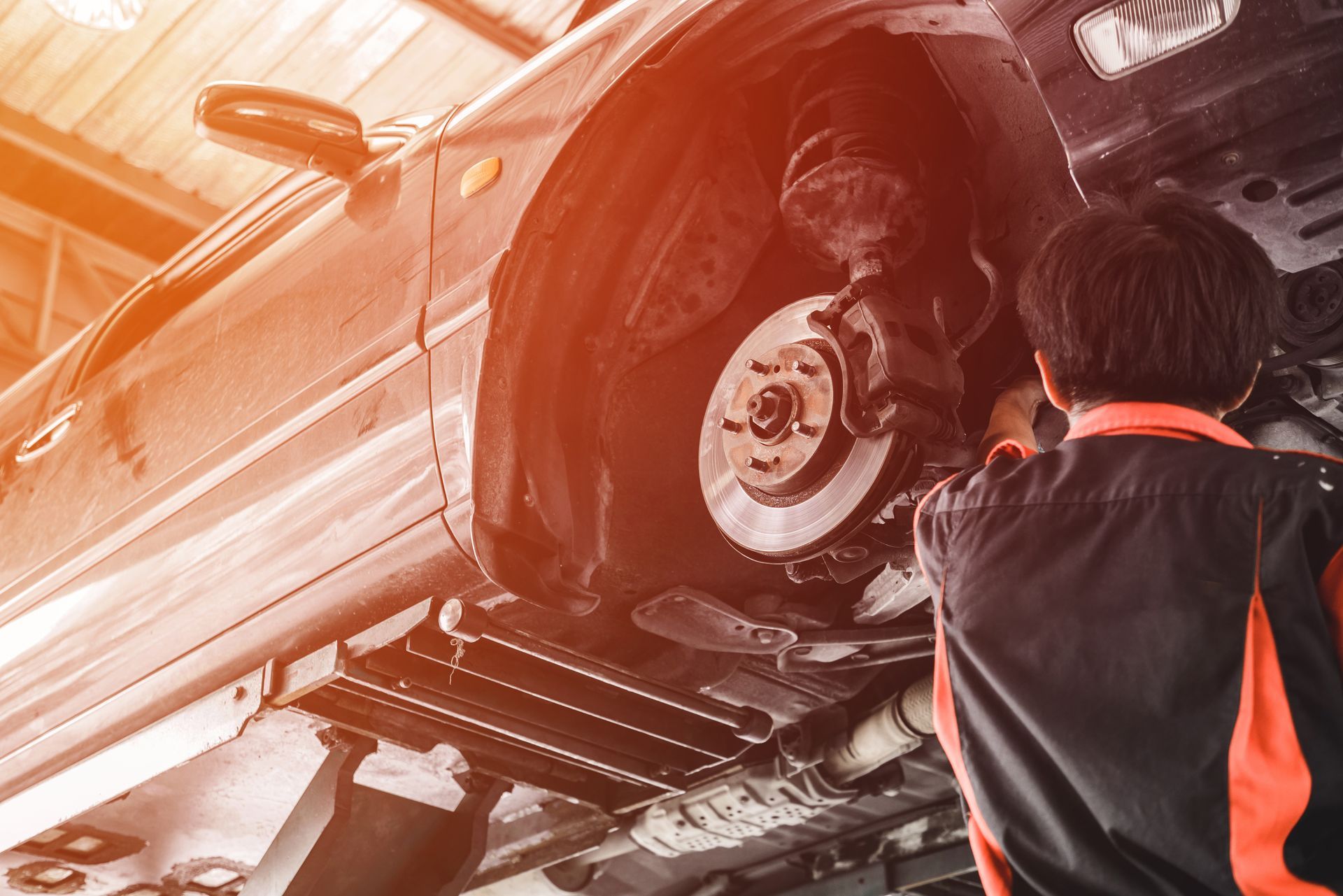
The brake caliper presses the pads against the rotor when you step on the pedal. When you release the brake, the pads should move away enough to prevent excessive contact. A sticking caliper or seized slide pin can keep one pad rubbing against the rotor overnight and during driving. Moisture may make the noise more noticeable in the morning, but the underlying issue is mechanical.
You may notice one wheel producing more brake dust than the others, the vehicle pulling slightly, or a burning smell after driving. The affected wheel may also feel unusually hot.
A dragging brake creates heat and accelerates pad and rotor wear. If the morning squeak is paired with those symptoms, the caliper and hardware should be inspected promptly.
New Brakes Can Sometimes Make Noise At First
Recently replaced brake pads or rotors may make some noise during their initial break-in period. The new surfaces need time to establish consistent contact.
If the pads and rotors were not bedded properly or if the components became overheated shortly after installation, the surfaces may develop uneven friction material deposits. That can contribute to squeaking, vibration, or inconsistent braking feel. If your brakes started squeaking immediately after a recent brake repair and the noise is not improving, let the shop that performed the work take another look.
When Morning Brake Squeaks Are Usually Less Concerning
A brief squeak may be relatively normal when all of the following are true:
- The sound happens mainly after the vehicle sits overnight
- The noise disappears after a few stops
- The brake pedal feels normal
- The vehicle stops straight
- There is no vibration or grinding
- No brake warning lights are on
Even in this situation, it is worth mentioning the noise during your next service appointment. A technician can confirm whether the pads, rotors, and hardware are still in good condition.
Do Not Judge Brake Health By Noise Alone
Quiet brakes are not always healthy, and noisy brakes are not always worn out. The best way to understand brake conditions is to inspect the complete system.
At our shop, we may check pad thickness, rotor condition, caliper movement, brake hardware, fluid level, and signs of uneven wear. We also look at whether the noise changes with temperature, speed, or pedal pressure. Those details help us identify whether the squeak is coming from overnight moisture or something that needs repair.
Morning Squeaking Is Worth Paying Attention To
A little squeak on a damp morning may simply be your brake pads clearing surface rust from the rotors. If the noise disappears quickly and everything else feels normal, there may be no immediate reason to worry. Persistent squealing tells a different story.
If your brakes have started squeaking in the morning and the sound is becoming more frequent, bring your vehicle to DTS Auto Repair in Stevensville, MT. We can inspect the pads, rotors, calipers, and brake hardware to determine whether the noise is normal or a sign that service is due.
Call us today to schedule a brake inspection and make sure your vehicle is ready to stop safely.