Brake problems do not always start with a soft pedal or a longer stopping distance. Many times, the first clue is a sound. A squeak, scrape, grind, or clunk can show up before the vehicle feels unsafe from the driver’s seat.
That early noise is useful. Brakes are exposed to heat, moisture, road grit, rust, and constant friction, so small changes can create sound before the system reaches a more serious stage. The key is not to ignore a new noise just because the car still stops. If the sound is getting louder, happening more often, or showing up with vibration or pulling, the brake system needs attention.
1. High-Pitched Squealing When You Brake
A high-pitched squeal is one of the most common brake noises drivers hear. Sometimes it comes from the brake pad wear indicator. That small metal tab is designed to make noise when the pad material gets low, giving you a chance to service the brakes before the pads wear down completely.
Squealing can also come from glazed pads, brake dust, surface rust, low-quality pad material, or missing hardware. If the noise occurs only at first thing in the morning and goes away after a few stops, light rust or moisture may be the cause. If it continues through normal driving, the pads and related parts should be checked.
The sound alone does not always prove the pads are finished, but it does mean the brakes are trying to get your attention. Waiting too long can allow pad wear to reach the metal backing, which can damage the rotors quickly.
2. Grinding That Sounds Like Metal On Metal
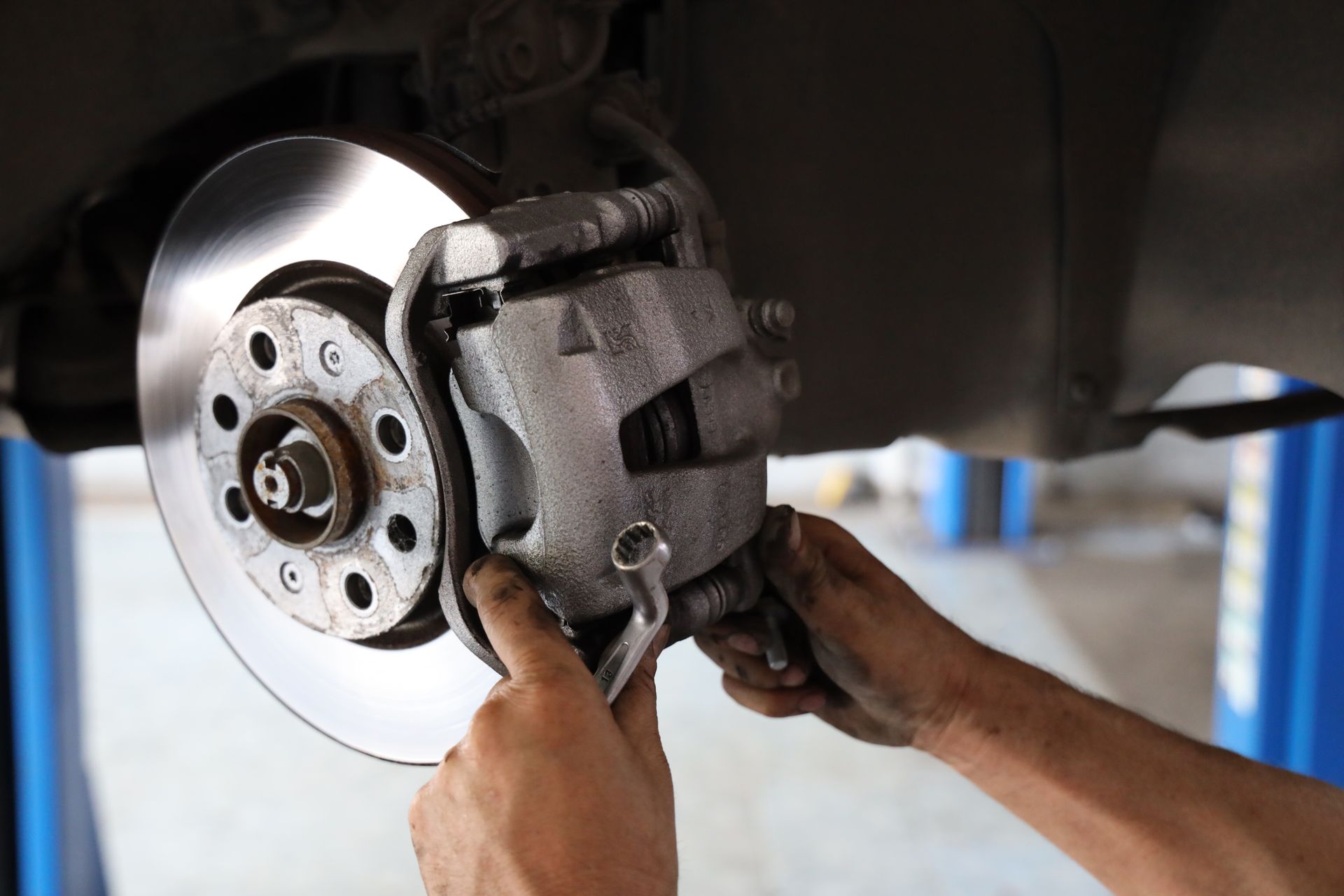
Grinding is a more serious brake noise. If you hear a harsh metal-on-metal sound when slowing down, the brake pads may be worn out. Once the friction material is gone, the metal backing plate can press directly against the rotor.
That type of contact can cut grooves into the rotor, reduce braking performance, and create more heat. What might have been a pad replacement can turn into pads, rotors, hardware, and possibly caliper work if the problem is ignored long enough.
Grinding does not always come from worn-out pads. A rock caught near the rotor, a bent backing plate, or heavy rust buildup can make a similar sound. Still, the grinding should be inspected soon, as the source is usually close to the moving brake parts. Every extra stop can add damage if metal is rubbing where it should not.
3. Clicking, Rattling, Or Clunking Near The Wheels
Brake parts are supposed to move, but only in controlled ways. Pads slide in brackets, calipers move on pins, and hardware keeps the assembly stable. If clips, shims, pins, brackets, or caliper slides are worn, loose, rusty, or missing, you may hear clicking, rattling, or clunking.
This noise may happen when shifting from reverse to drive, braking lightly, releasing the brake pedal, or driving over bumps. The brake pads may still have material left, but the parts that hold them in place may not be doing their job properly.
Loose brake hardware can lead to uneven pad wear and poor contact between the pad and rotor. It can also make a brake job age badly if the supporting parts are not cleaned, lubricated, replaced, or adjusted correctly during service.
4. Scraping That Changes While Driving
A scraping sound can be tricky because it may appear suddenly. It might happen while braking, while turning, or even while driving without touching the pedal. Sometimes it comes from brake wear. Other times, it comes from debris caught between the rotor and the backing plate.
Road gravel, rust flakes, bent dust shields, and small stones can all create scraping near the wheel. The sound may change pitch as the wheel turns or disappear for a short time and return later. Even if the cause is only debris, it can still score the rotor or damage nearby parts if it keeps rubbing.
Scraping can also point to a pad that is wearing unevenly. If one side of the brake assembly is sticking or a caliper slide is not moving freely, one pad may wear faster than the other. That is why a scraping sound should be checked as part of a full brake inspection, not treated as random noise.
Other Brake Clues That Should Be Checked With Noise
A brake sound becomes more concerning when it appears alongside another change. Pay attention if the vehicle also has:
- Steering wheel vibration while braking
- Brake pedal pulsing
- Vehicle pulling to one side
- Burning smell near a wheel
- Brake warning light
- Longer stopping distance
- One wheel is getting hotter than the others
- Low brake fluid
These symptoms can point toward worn pads, damaged rotors, sticking calipers, brake fluid leaks, hose problems, or suspension and wheel issues that affect braking feel. A sound may be the first clue, but the system's full condition tells the real story.
Why Brake Noise Should Not Be Ignored
Brake noise is easy to delay because the vehicle may still stop. The problem is that brake parts wear together. A worn pad can damage a rotor. A sticking caliper can ruin new pads. Bad hardware can make a fresh brake repair noisy again. Delaying service can turn a smaller brake concern into a larger repair.
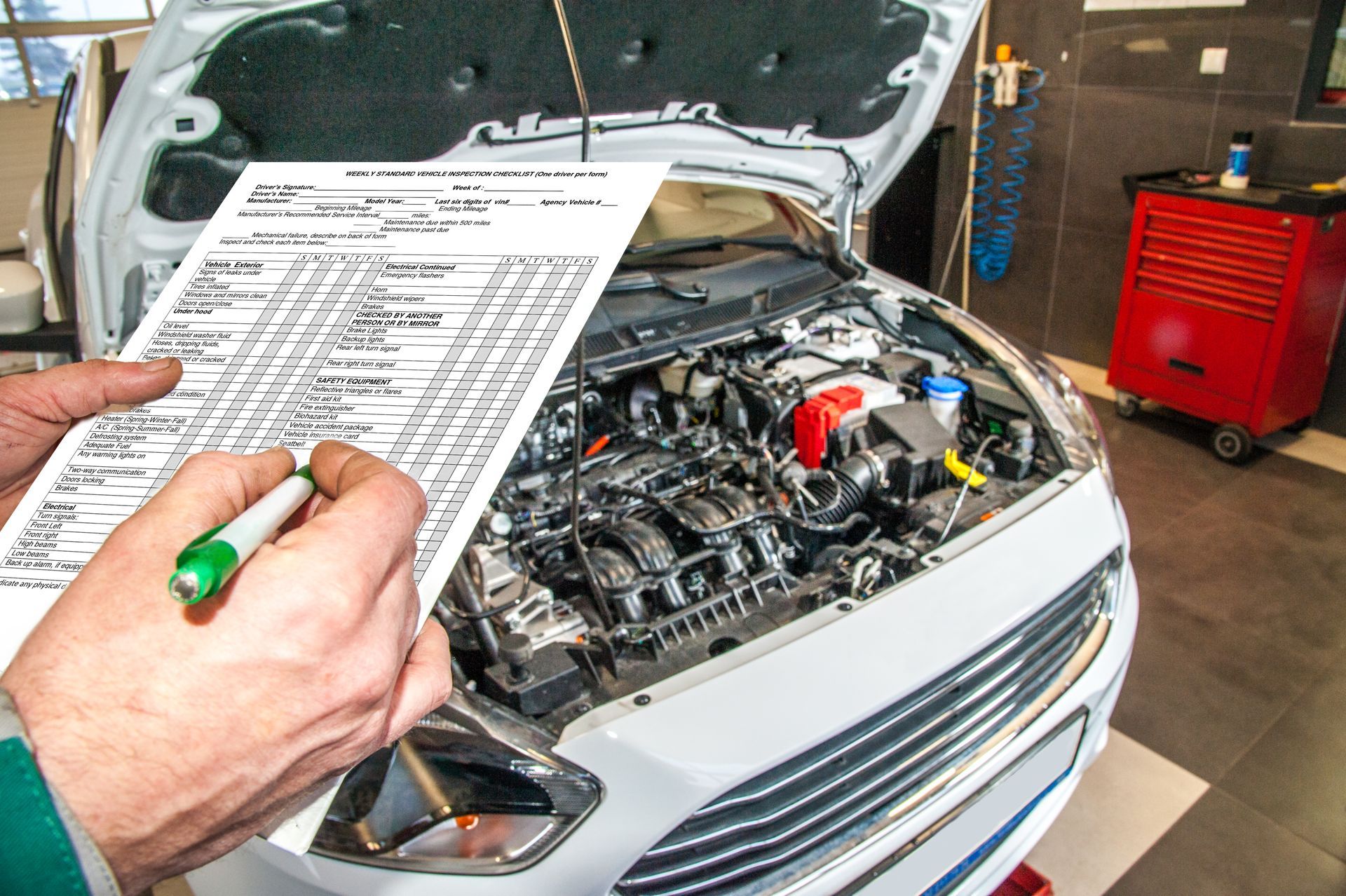
Regular maintenance helps catch pad wear, rotor condition, caliper movement, hose issues, fluid level, and hardware problems before braking performance drops. If a sound is new or changing, it is better to find the cause early than wait until the pedal feel changes too.
Get Brake Repair In Stevensville, MT, With DTS Auto Repair
If your brakes squeal, grind, scrape, click, rattle, clunk, or feel different when stopping, DTS Auto Repair in Stevensville, MT, can inspect the brake system and find the cause.
For brake repair before a small noise becomes a bigger stopping problem,
contact us to schedule an appointment.